
Adapting Proven Tropical Climate Technology for Indonesia’s Industrial Growth

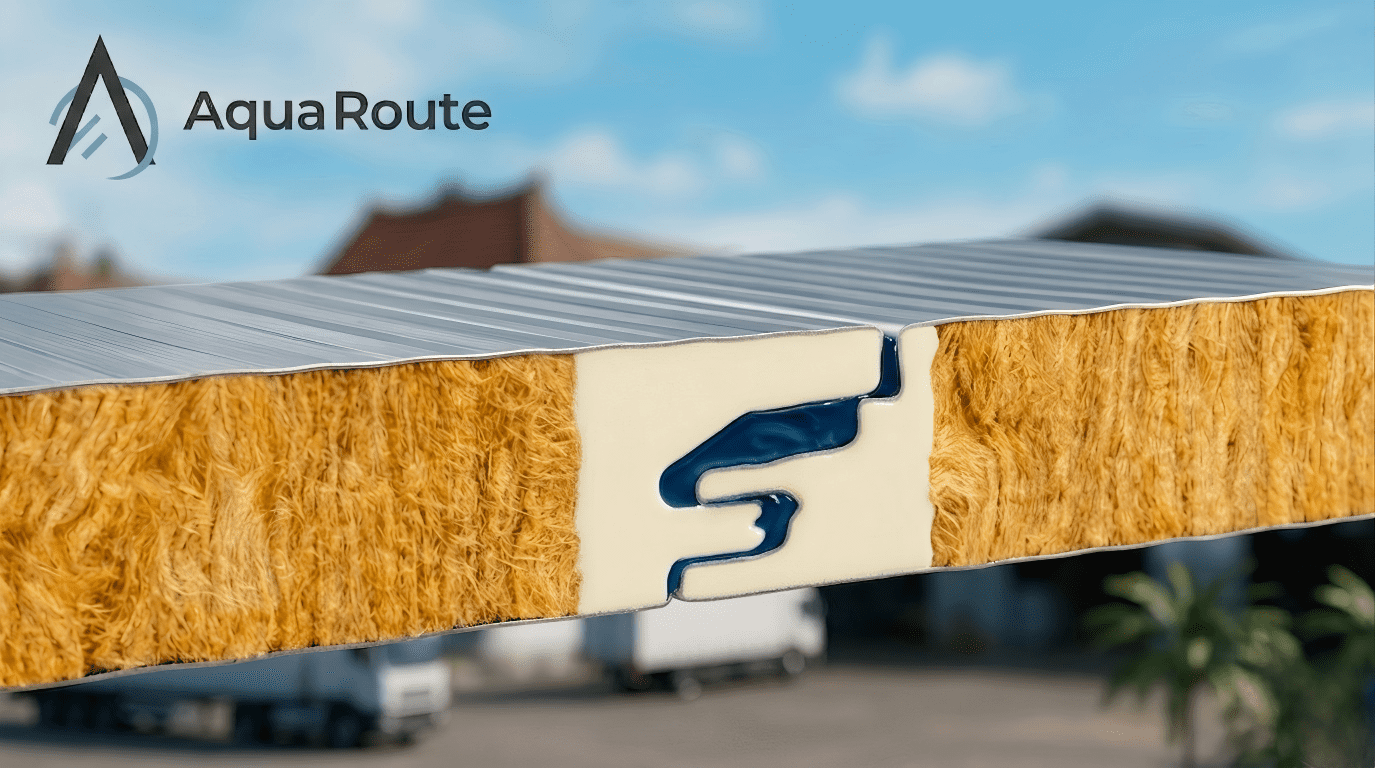
Adapting Proven Tropical Climate Technology for Indonesia’s Industrial Growth
Technical Analysis
PU edge-sealed rockwool sandwich panels—proven in China’s tropical coastal manufacturing zones (Hainan, Guangdong)—offer engineered solutions for Indonesia’s similar high-humidity, high-salt industrial environments like Karawang.
Climate Equivalency Framework
Engineering equivalence established between China’s coastal industrial regions and Indonesia’s key manufacturing clusters:
| Climate Zone | Key Characteristics | Equivalent to Indonesia | Validation Basis |
|---|---|---|---|
| Hainan Island, China | 78-85% humidity 1800-2200mm annual rainfall High salt spray exposure |
Karawang & Cikarang Industrial Zones |
3-year operational data from food processing plants |
| Zhanjiang, Guangdong | 75-88% humidity Heavy monsoon seasons Coastal corrosion environment |
North Java Coastal Industrial Areas |
Laboratory accelerated aging test data |
| Fujian Coastal Region | High UV exposure Seasonal typhoons Salt air penetration |
Sumatra Industrial Development Areas |
Field testing in chemical plant enclosures |
Climate-Equivalent Case Study: Hainan Island Installation
Food processing facility in Hainan Island, China (78% humidity, 2,100mm annual rainfall) – climate conditions equivalent to Karawang, Indonesia. Installation completed 2022, PU edge-sealed panels showing no degradation after 3 years of tropical coastal exposure.
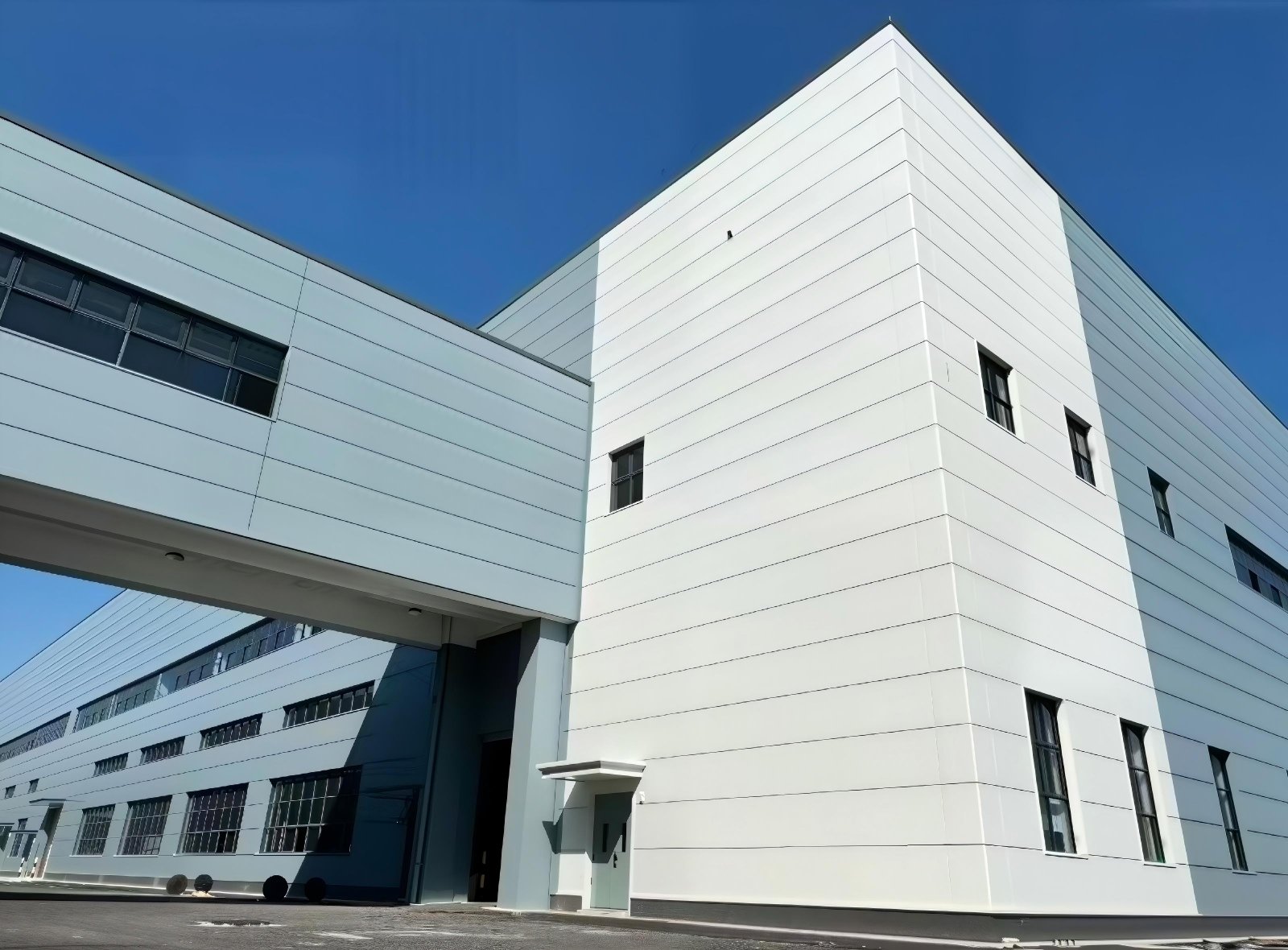
Food processing facility installation in Hainan Island (2022)
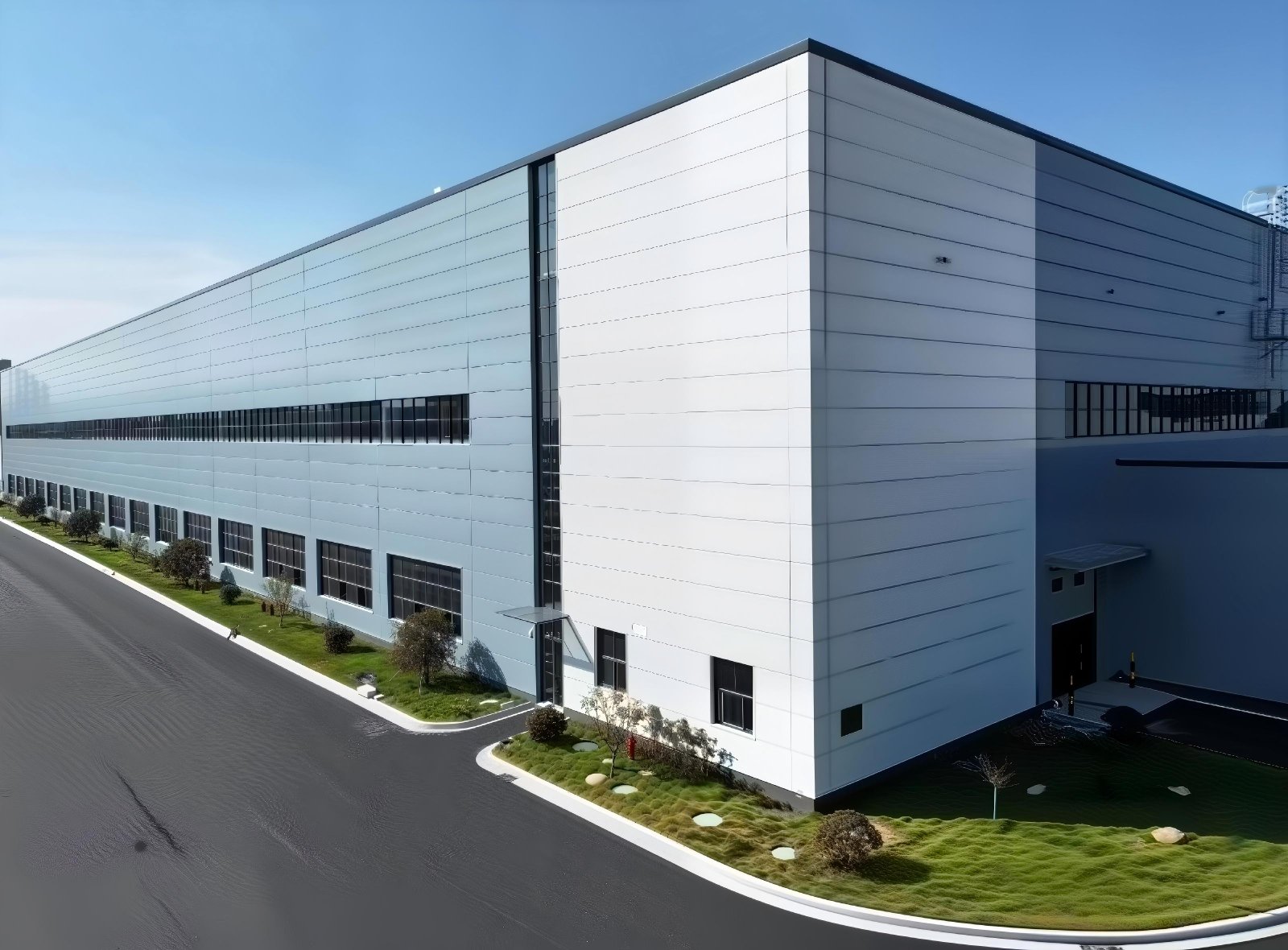
PU edge seal detail showing moisture protection
Technical Note: Hainan Island’s climate conditions (78-85% humidity, 1800-2200mm rainfall) provide reliable performance data for projecting material behavior in Indonesia’s similar Karawang and Cikarang industrial zones.
Technical Adaptation Analysis
1. Performance Data from China’s Tropical Zones
In China’s Hainan province—where climate conditions (78-85% humidity, 1800-2200mm rainfall) closely mirror Indonesia’s Karawang region—conventional mechanical seals in industrial panels show degradation within 18-24 months due to constant moisture exposure. In contrast, continuous PU edge-seal systems maintain structural integrity beyond 5 years, as verified by third-party inspection reports from SGS.
2. Engineering Projection for Indonesian Conditions
Based on GB/T 23932-2009 sandwich panel performance standards and GB/T 21558 rigid polyurethane foam specifications, combined with climate chamber testing for high-humidity conditions.
3. Material Specifications for Tropical Applications
Panel specifications validated for high-humidity conditions: Core density 100-140 kg/m³ (tested to Chinese national standard), Fire rating A1 equivalent per GB 8624-2012, and Thermal conductivity 0.038-0.045 W/(m·K) for optimal performance under 80-90% humidity conditions typical of Indonesia’s industrial zones.
Compliance & Certification Status
Materials are manufactured with:
- ISO 9001 Quality System Certification for consistent production control
- CE Marking confirming compliance with European construction product regulations
- Third-party testing reports from SGS for mechanical and fire performance
For SNI or other local standard requirements, we provide Chinese test reports (GB/T 23932-2009) and CE documentation to support client’s independent compliance verification with local authorities.
Market Entry Strategy for Indonesia
Current engagement model focuses on:
- Pilot Project Partnerships with select Indonesian industrial developers for initial installations
- Technical Validation Support including on-site monitoring and performance documentation
- Knowledge Transfer through engineering workshops with local construction teams
- Supply Chain Integration working with established Indonesian building material distributors
Frequently Asked Questions
Q: How does China’s tropical climate data apply to Indonesian industrial zones?
A: Engineering analysis shows Hainan Island (78-85% humidity, 1800-2200mm rainfall) closely mirrors Karawang’s conditions (80-90% humidity, 2800-3500mm rainfall), providing reliable performance projections.
Q: What support does Aqua Route offer for first-time Indonesian buyers?
A: We offer pilot project partnerships with comprehensive monitoring, technical validation support, and preferential terms for initial installations to establish local case studies.
Q: Are the materials compliant with Indonesian building codes?
A: Materials carry CE marking and ISO 9001 certification. For specific SNI requirements, we provide technical documentation to support local compliance verification through authorized testing bodies.
Q: What is the expected service life in Indonesia’s high-humidity environment?
A: Based on 5-year performance data from China’s equivalent tropical zones, PU edge-sealed systems maintain integrity beyond 5 years, compared to 18-24 months for conventional mechanical seals.
Q: How does Aqua Route verify performance without Indonesian installations?
A: We use climate chamber testing simulating Indonesia’s high-humidity conditions (80-90% RH), combined with GB/T 23932-2009 bond strength and fire performance data from Chinese certifications, to project performance in tropical environments.
Related Technical Resources
- Technical Adaptation for Tropical Climate Construction
- Material Performance in High Humidity Environments
- International Standard Compliance for Industrial Building
Engineering Inquiry
For engineering teams evaluating new materials for Indonesia:
Our technical team provides personalized climate adaptation analysis based on:
- 10+ years tropical coastal construction experience in China’s equivalent climate zones
- GB/T 23932-2009 and CE certification documentation for technical verification
- Project-specific performance projections for Karawang and Cikarang industrial conditions
- Support for local compliance verification processes with Indonesian authorities