
Fire Rated Sandwich Panel Industrial Construction: A Buyer’s Guide to Compliance

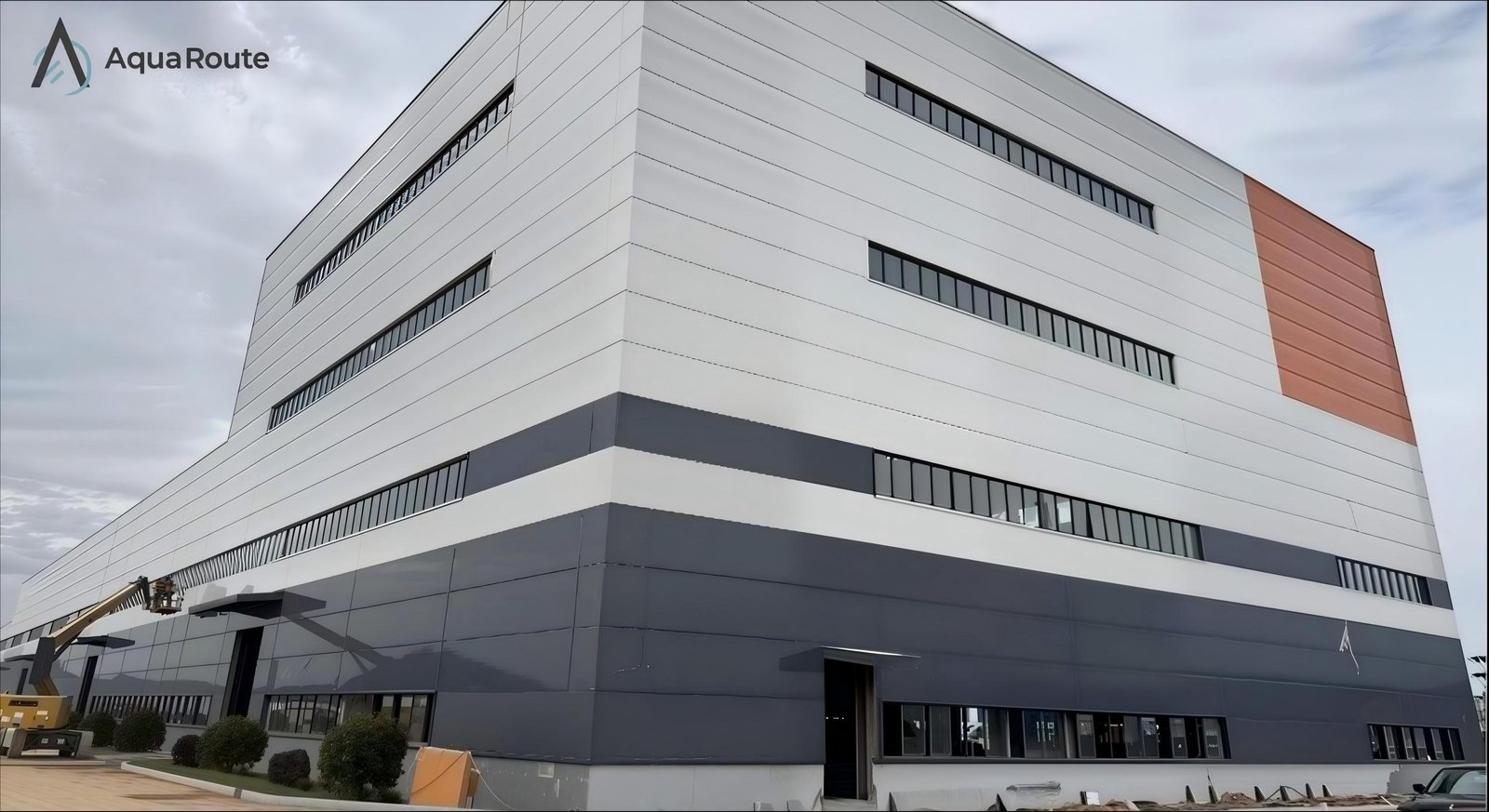
The Critical Role of Fire Rated Sandwich Panel Industrial Construction
Modern developers prioritize safety above all else in large-scale logistics and manufacturing. Choosing the right fire rated sandwich panel industrial construction solution is therefore a necessity rather than a choice. Therefore, understanding the intersection of structural integrity and thermal resistance is vital for long-term ROI. Consequently, global insurance standards now demand higher fire ratings to mitigate catastrophic property loss.
Comparison of Mineral Rock Wool and Glass Wool Core Technologies
In addition to traditional insulation, the core material determines the fire endurance of the structure. However, not all non-combustible cores are created equal. Mineral rock wool remains the gold standard for high-risk zones. This is because rock wool features a melting point exceeding 1000°C. In addition, we utilize a high-density fibers matrix (100-120 kg/m³) to ensure a Class A non-combustible rating.
Moreover, glass wool offers a lighter alternative for specific acoustic requirements. Thus, it is ideal for facilities where noise reduction is as important as fire safety. Key differences include:
- Rock Wool: Melting point > 1000°C, Density ≥ 100-120 kg/m³, Class A Non-combustible.
- Glass Wool: Long interlaced fibers, Density ≥ 60-85 kg/m³, Superior acoustic attenuation.
Outer Coating Hierarchy: The Performance Ladder
Furthermore, the external metal skin protection must withstand harsh industrial environments. Selecting the correct chemistry prevents premature corrosion and chalking. Thus, engineers must choose according to the performance ladder. The durability increases as follows: PE (Polyester) is the entry-level standard. Consequently, SMP (Silicone Modified Polyester) offers better UV resistance. HDP (High Durability Polyester) provides enhanced longevity. Finally, PVDF (Fluorocarbon) represents the peak of chemical and weather resistance. Therefore, PVDF is recommended for coastal or high-pollutant zones.
| Parameter | Mineral Rock Wool System | Glass Wool System |
|---|---|---|
| Fire Class | Class A (Non-combustible) | Class A (Non-combustible) |
| Core Density | ≥ 100-120 kg/m³ | ≥ 60-85 kg/m³ |
| Melting Point | > 1000°C | > 700°C |
| Coating Options | PE -> SMP -> HDP -> PVDF (Increasing Durability) | |
Advanced Joinery and Thermal Bridge Prevention
However, the panel core is only as effective as its connection points. Our fire rated sandwich panel industrial construction series utilizes the Hidden Screw Tongue & Groove System. This design incorporates multiple EPDM rubber seal strips. Consequently, this system eliminates the risk of a cold bridge. Thus, it prevents water leakage and air infiltration effectively. In addition, the hidden fasteners protect the hardware from direct environmental exposure.
In conclusion, specified fire rated sandwich panel industrial construction ensures both personnel safety and regulatory compliance. Investing in high-density rock wool and PVDF coatings creates a resilient industrial asset. For detailed technical specifications and project-specific quotations, please visit our experts at Get a Custom Industrial Technical Quote.