
Polyurethane Edge Sealing Rock Wool Exterior Wall Panel 50mm | Class A Fire Rated

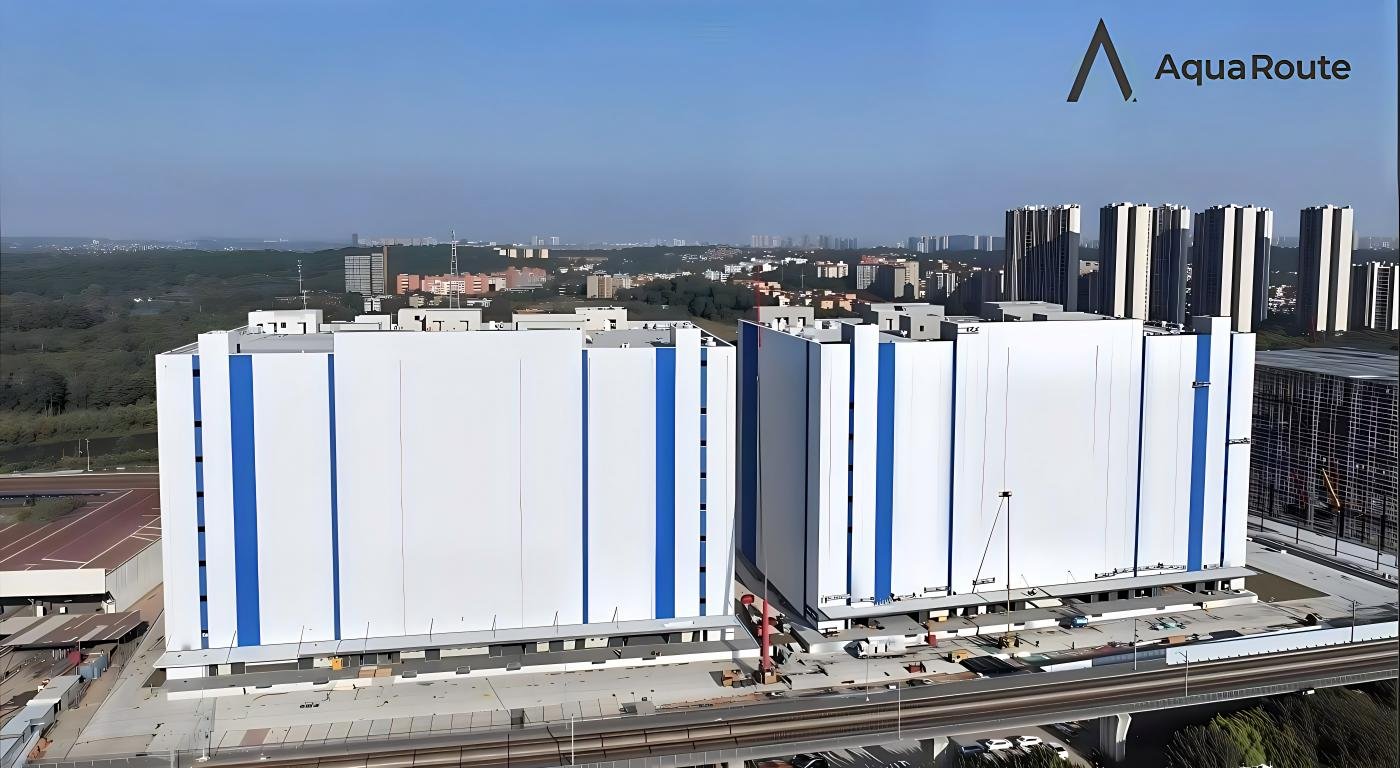
Polyurethane Edge Sealing Rock Wool Exterior Wall Panel 50mm: Industrial Building Solutions for China and the Philippines
Why Engineers Specify This Panel System
Industrial buildings in coastal China and the Philippines face two non-negotiable demands: fire safety and weathertight performance. The polyurethane edge sealing rock wool exterior wall panel 50mm is engineered to meet both in a single system. The rock wool core delivers Class A (A1) non-combustible fire performance — the highest fire rating available for building envelope materials. The factory-applied polyurethane edge seal at both panel ends provides superior waterproofing, airtightness, and elimination of thermal bridging at joints.
These are not marketing claims. They reflect two distinct materials doing two distinct jobs: rock wool handles fire; polyurethane sealing handles water and air. Together, they produce a wall panel that protects the structure, the occupants, and the contents — without compromise on either front.
Technical Specifications
| Specification | Detail |
|---|---|
| Panel Thickness | 50 mm · 75 mm · 100 mm · 120 mm · 150 mm |
| Effective Width | 1,000 mm |
| Face Material | Pre-painted galvanized steel or aluminum sheet |
| Steel Face Thickness | 0.4–0.8 mm |
| Aluminum Face Thickness | 0.6–1.0 mm |
| Steel Coating Options | PVDF · SMP · HDP · PE |
| Rock Wool Core Density | ≥ 100 kg/m³ (standard: 100–120 kg/m³) |
| Thermal Conductivity (Rock Wool) | 0.034–0.040 W/(m·K) |
| Fire Rating | Class A — Non-combustible (GB 8624 / EN 13501) |
| Edge Sealing Material | Polyurethane — waterproof and airtight |
| Certifications | ISO 9001:2015, CE marking, SGS third-party verification |
| Max Panel Length | Up to 12 m (custom lengths available) |
| Lead Time | 15–20 working days standard; 10–12 days rush |
Steel Facing Coating Selection: PVDF, SMP, HDP, and PE
The steel facing on this panel is pre-painted at the mill. The coating system — not the steel substrate itself — determines long-term colour retention, UV resistance, and corrosion protection in service. Four coating options are available, each suited to different exposure conditions and budget requirements.
PVDF (Polyvinylidene Fluoride)
PVDF is the premium coating for demanding outdoor environments. It carries the highest UV resistance of any standard coil coating system — colour retention above 90% after 20 years of direct exposure is achievable in tropical climates. The fluoropolymer chemistry resists chalking, acid rain, and salt air at the molecular level. For coastal Guangdong or Philippine port-zone facilities where the facade will receive full UV load for decades without repainting, PVDF is the correct specification. It costs 20–30% more than SMP but eliminates repainting cycles across a 25-year building life.
SMP (Silicone Modified Polyester)
SMP adds silicone cross-linking to a polyester base, improving heat resistance and UV stability compared to standard PE. It performs well in moderate-exposure environments — industrial parks, inland facilities, and projects where a 10–15 year colour retention target is acceptable. SMP is the most commonly specified coating for industrial buildings in China that are not in direct coastal or high-UV environments. It balances cost and durability effectively for the majority of projects.
HDP (High Durability Polyester)
HDP uses a higher-molecular-weight polyester formulation that outperforms standard PE in gloss retention and scratch resistance without the cost of silicone modification. It is a practical upgrade from PE for projects that need better long-term appearance but are not in the most aggressive exposure zones. HDP sits between PE and SMP in both cost and performance — a good choice for exhibition halls, logistics parks, and commercial industrial buildings where facade appearance matters over a 10–12 year horizon.
PE (Polyester)
Standard PE coating is the entry-level option. It provides adequate corrosion resistance for sheltered or low-UV environments and is suitable for interior-facing panels or secondary structures where long-term colour stability is not a priority. For exterior wall panels in coastal China or the Philippines, PE is not recommended as the primary specification — UV degradation and chalking will become visible within five to seven years in direct sun exposure.
Matching Coating to Project Conditions
As a practical guide:
- Coastal or typhoon-belt exposure (Guangdong, Fujian, Philippines coast): PVDF — maximises service life and minimises lifecycle repainting cost
- Inland industrial buildings, moderate UV: SMP — best cost-performance balance for standard industrial projects
- Exhibition centers, industrial parks requiring clean appearance: HDP — better gloss retention than PE at a modest premium
- Secondary structures, sheltered facades, budget-constrained projects: PE — acceptable where UV exposure is limited
Coating selection does not affect panel fire rating, thermal performance, or edge sealing performance. All four coatings are available across the full RAL colour chart. Custom colours require a minimum order of 2,000 m² regardless of coating type.
The Joint Advantage: Why Edge Sealing Matters
In any panelised wall system, joints are the vulnerability. Poorly sealed joints allow moisture infiltration, create air leakage paths, and introduce thermal bridging that degrades the panel’s insulation performance over time. Traditional field-applied sealants depend on crew skill and site conditions — and they fail unevenly across a large facade.
The polyurethane edge sealing on this panel is applied at both ends during factory production. That means every joint between panels arrives on site already protected. The benefits are concrete:
- Waterproofing: Polyurethane forms a continuous, flexible seal that blocks water ingress even under typhoon-level wind-driven rain. In coastal Guangdong and the Philippines, where annual typhoon loading is a design condition, not an exception, this matters.
- Airtightness: Factory-controlled sealing reduces air infiltration at joints by over 90% compared to site-caulked alternatives. For climate-controlled industrial environments, that translates directly to lower operating energy costs.
- Thermal bridge elimination: The polyurethane edge compound has a lower thermal conductivity than steel fasteners or unsealed panel ends. Bridging losses at joints — which can account for 15–20% of total wall heat loss in poorly detailed systems — are effectively eliminated.
- Consistency at scale: On a 10,000 m² facade, a factory-sealed system delivers the same joint performance on panel 5,000 as on panel 1. Site-applied sealant does not.
The result is a wall system that performs as close to its design specification in year ten as it did on installation day.
Rock Wool Core: Class A Fire Performance
Rock wool is an inorganic mineral fiber material. It does not burn. Under GB 8624 (China) and EN 13501 (Europe), rock wool achieves an A1 non-combustible classification — the highest fire rating for building materials. It will not contribute fuel to a fire, will not generate toxic smoke, and will not melt or drip.
For industrial buildings in China subject to GB 50016 fire compartmentation requirements — manufacturing plants, large warehouses, exhibition halls — specifying a Class A exterior wall panel removes one layer of regulatory complexity and eliminates the risk of facade fire spread between compartments.
In the Philippines, where the Bureau of Fire Protection (BFP) enforces fire safety requirements for industrial and commercial occupancies, the A1 rock wool core satisfies fire resistance requirements for exterior wall cladding without the need for additional intumescent coatings or supplementary fire barriers.
Installation Performance: Speed and Simplicity
The 1,000mm effective width is mechanically produced to ±2mm dimensional tolerance. Panels interlock cleanly with no on-site shimming or adjustment. A four-person crew installs 120–150 m² per day on a vertical facade. There is no curing time, no waiting for adhesives to set, and no weather window dependency — panels perform from the moment they are fixed.
On a 10,000 m² industrial building envelope, the panel system compresses wall installation to 3–4 weeks. Traditional masonry-plus-insulation construction for the same scope takes 8–10 weeks. That difference represents 4–6 weeks of earlier building commissioning — and in industrial and logistics projects, earlier commissioning means earlier revenue.
Project Application: Cotton Yarn Trading Center, Guangdong
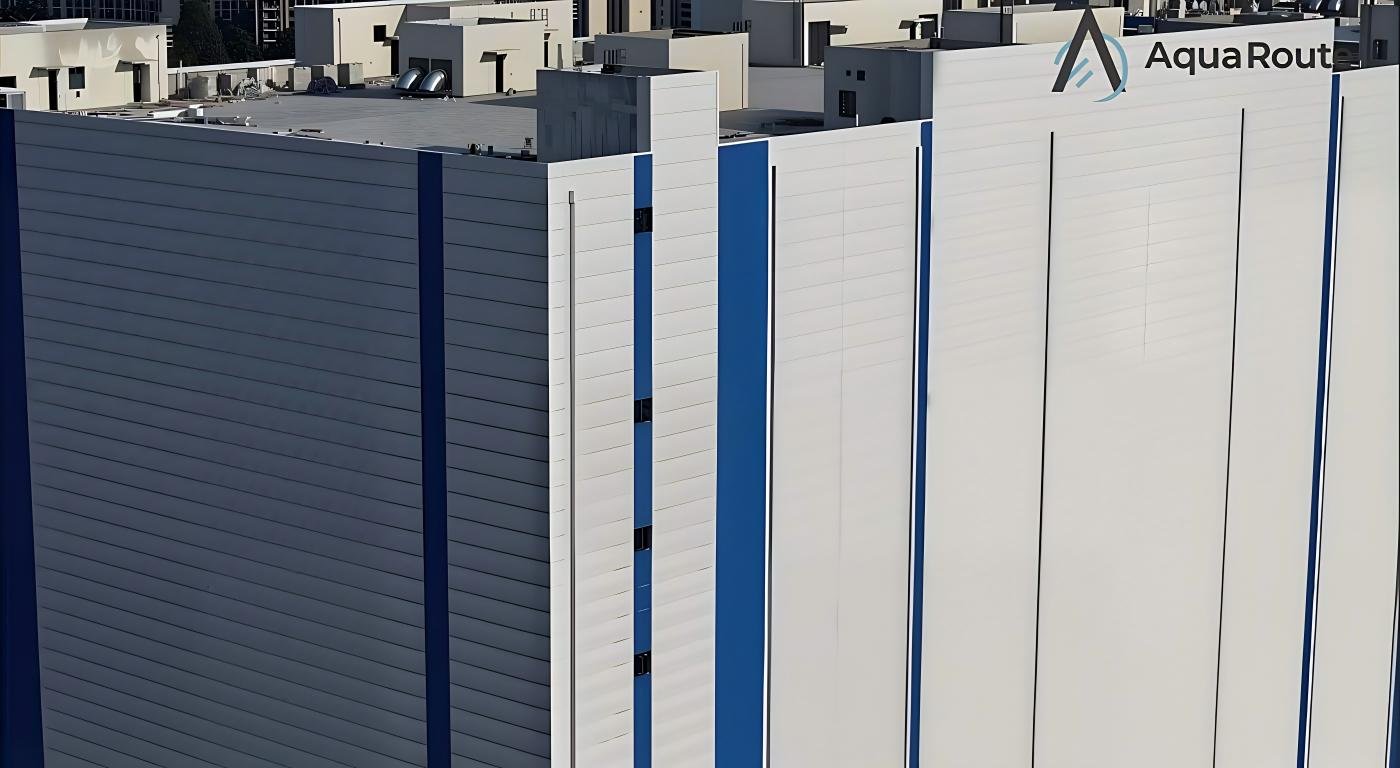
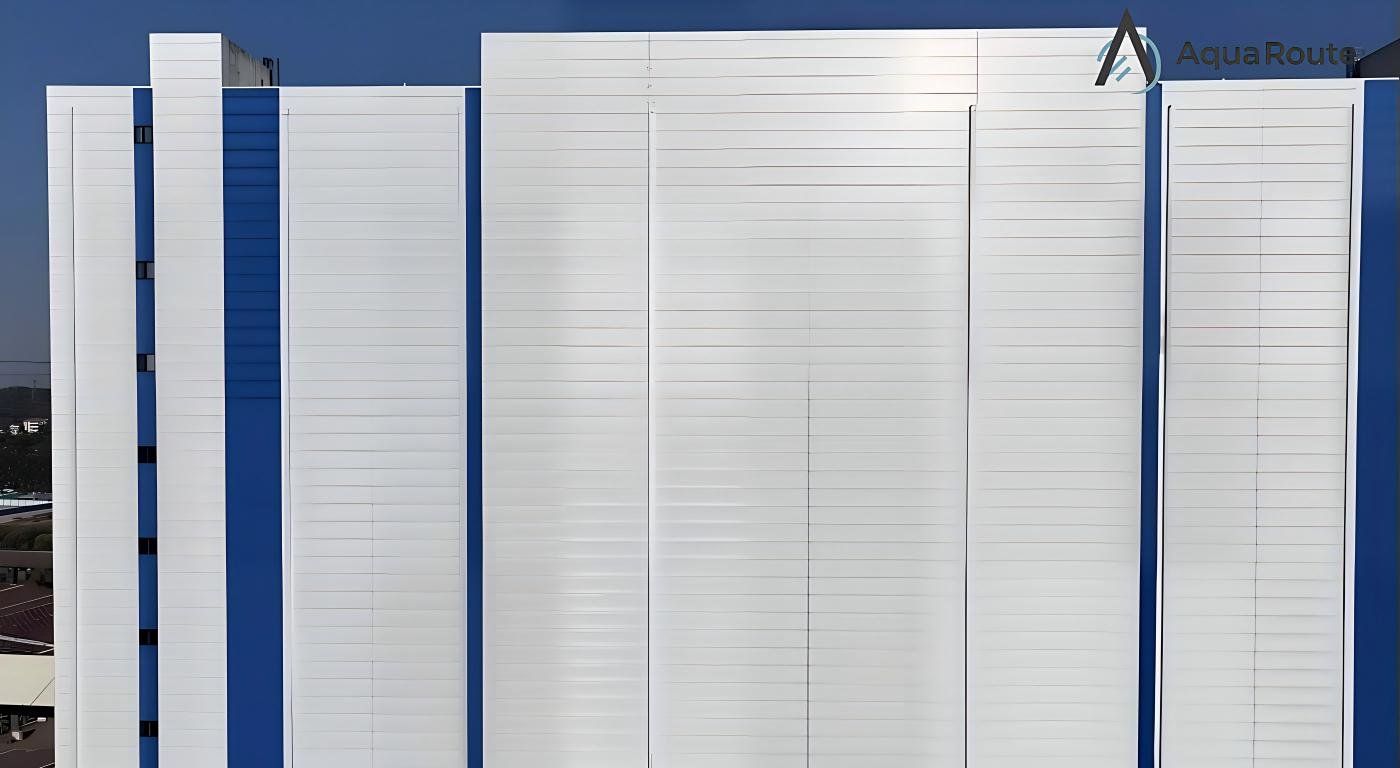
A 15,000 m² cotton yarn trading center and storage facility in coastal Guangdong required a fast-track exterior wall system for sustained coastal humidity above 85%, annual typhoon loading, and significant salt air exposure. The client needed the building envelope complete within eight weeks to meet a pre-leasing deadline.
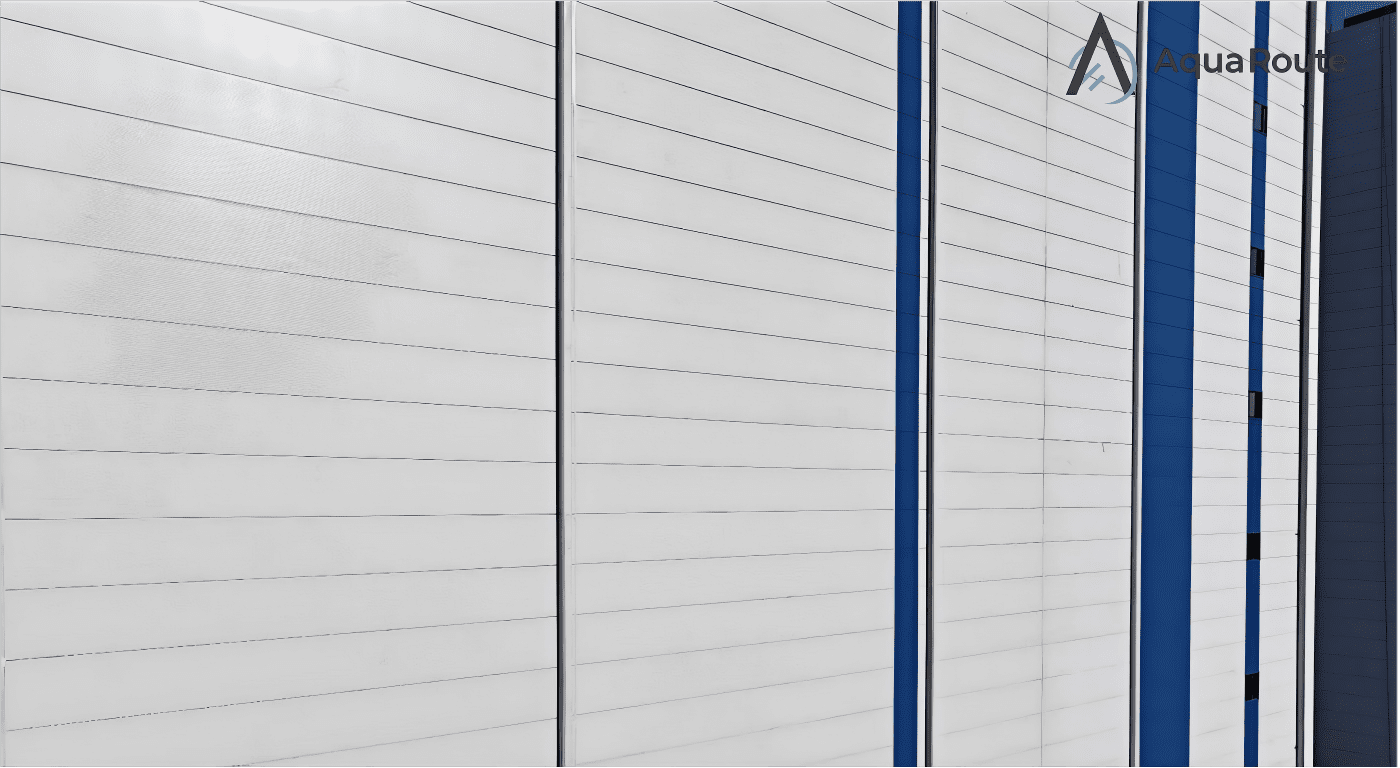
The project specified polyurethane edge sealing rock wool exterior wall panel 50mm for 10,500 m² of exterior walls. Steel-framed structure with mechanically fixed panels, pre-painted steel facing in RAL 9002.
- Full envelope installation completed in 5.5 weeks by a crew of six
- Zero joint failures through two typhoon seasons (wind load sustained: 140 km/h)
- Interior humidity maintained below 65% RH — critical for textile storage
- No repainting or resealing required after 18 months of operation
A comparable masonry-plus-insulation system was estimated at 14–16 weeks — the panel system recovered six to eight weeks of rental income for the building owner.
Industrial Applications
The 50mm polyurethane edge sealing rock wool exterior wall panel is specified across a wide range of industrial and large-commercial building types in China and the Philippines:
- Large-span manufacturing plants — steel-frame factories where fast enclosure and Class A fire compliance are both required from day one
- Logistics and distribution warehouses — facilities requiring GB 50016-compliant fire-rated walls between storage zones
- Large exhibition and convention centers — high-bay structures demanding lightweight, non-combustible facades with a clean architectural finish in a range of RAL colors
- Industrial parks and multi-tenant facilities — consistent appearance across multiple buildings, phased construction, and repeatable installation performance
- Export-processing zone factories (Philippines) — BFP-compliant fire-rated envelopes with typhoon-rated joint performance
For projects requiring greater thermal performance, the same edge sealing system is available in 75mm, 100mm, 120mm, and 150mm core thicknesses. Color selection from the full RAL chart; custom colors available at 2,000 m² minimum order quantity.
Specifying the Right Panel
Coastal Philippine projects should specify stainless steel fasteners to prevent corrosion in marine air. For projects near the coast in Guangdong or Fujian, confirm fastener specification with the supplier at the time of order.
Panel length up to 12m is available for tall facades without horizontal joints. For projects with specific fire compartmentation requirements, request GB 8624 or EN 13501 test certification documentation for the complete panel assembly — not just the rock wool core in isolation.
Production lead time is 15–20 working days standard, with rush production (10–12 days) available for time-sensitive projects. Sea freight to Southeast Asian ports adds 20–35 days depending on destination.
Frequently Asked Questions
What role does the polyurethane edge sealing play in fire performance?
The polyurethane sealing is applied only at both panel ends — it handles waterproofing and airtightness at joints. The fire performance of the panel comes entirely from the rock wool core, which achieves Class A (A1) non-combustible rating per GB 8624 and EN 13501. The polyurethane edge compound does not alter the fire classification of the overall panel assembly.
How does this panel perform in typhoon conditions?
The factory-applied polyurethane edge seal at panel joints blocks water ingress under wind-driven rain loads associated with typhoon conditions. The mechanical fixing system transfers wind load directly to the structural frame. Projects in coastal Guangdong and the Philippines have sustained wind loads of 140+ km/h without joint failure or water infiltration.
Can the panel length be customized for tall facades?
Yes. Panel length is customizable up to 12m, eliminating horizontal joints on single-storey and low-rise industrial facades. Custom lengths require confirmation at order stage. Standard production lead time is 15–20 working days; rush production at 10–12 days is available for schedule-critical projects.
What facing materials and coating options are available?
Panels are available with pre-painted galvanized steel facing (0.4–0.8mm) or aluminum sheet facing (0.6–1.0mm). Steel facing is available in four coating systems: PVDF (best UV and corrosion resistance, recommended for coastal and tropical exposure), SMP (silicone-modified polyester, good performance for inland industrial applications), HDP (high-durability polyester, enhanced gloss retention), and PE (standard polyester, suitable for sheltered or budget-constrained applications). Color selection from the full RAL chart; custom colors at 2,000 m² minimum order.